




Innovative Water Desalination Techniques by Reverse Osmosis
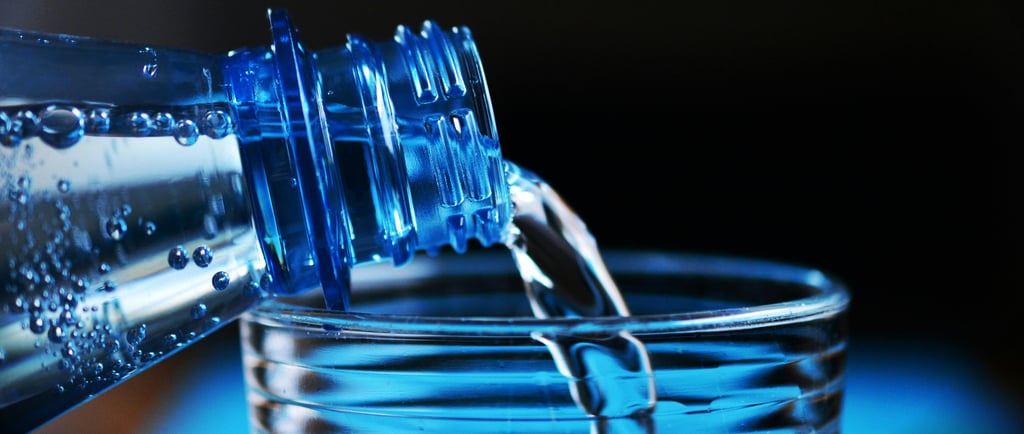

Introduction to New Desalination Methods
Water desalination has become a crucial solution to the growing shortage of drinking water. Among the new techniques, reverse osmosis stands out for its efficiency and environmental friendliness. This method transforms salt water into fresh water, thus meeting the international demand for water resources.
How Reverse Osmosis Works
Reverse osmosis is based on the principle of selective permeability. Semi-permeable membranes are at the heart of this process. They allow water molecules to pass through while blocking impurities and salt ions. Applying pressure to the salt water forces it through the membrane, producing desalinated water. This technique is not only efficient, but it also consumes less energy compared to traditional desalination methods.
Advantages and Future Prospects
Reverse osmosis offers numerous advantages, such as improved water quality, reduced operating costs, and flexible application. Furthermore, with continuous technological advancements, reverse osmosis membranes are becoming increasingly efficient and durable. Researchers are working on improving the materials used and optimizing processes to make this technique even more accessible, particularly in developing countries.
In conclusion, reverse osmosis is emerging as one of the most promising desalination techniques. Given the global challenges related to water management, its increasing adoption could play a crucial role in securing drinking water resources for future generations.

Do you have a project, a question, or a need for a study?
Contact us and let's discuss the most suitable solution for your situation.
© 2025. All rights reserved.
Reliable water, every day.
CONTACT :
Email : contact@bluwtec.com
WhatsApp : +33 766 993 520
Mail : BluWtec - WIP :
10 rue du Président Wilson
92300 Levallois-Perret
France