



Why are desalination plants targets in wartime?
Introduction to Desalination Plants
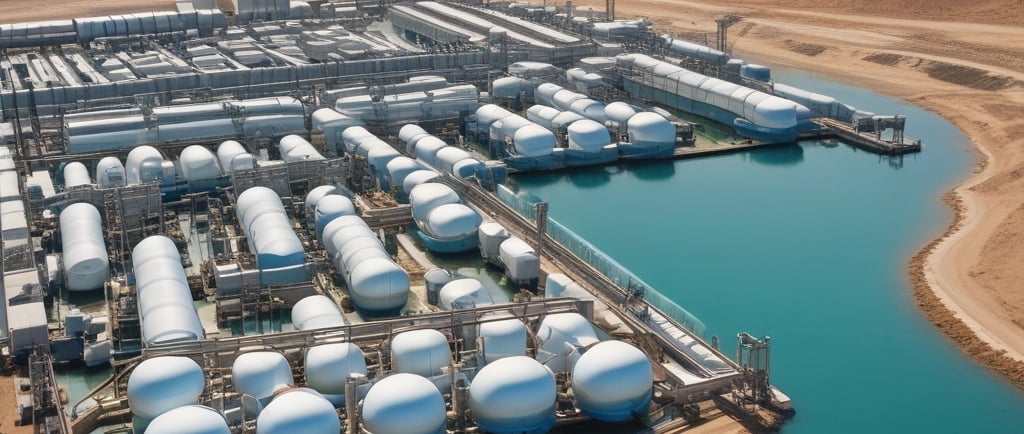
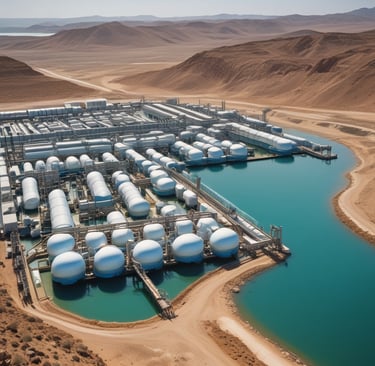
Desalination plants play a crucial role in providing drinking water, particularly in arid regions. These facilities transform seawater into fresh water, offering a vital solution to water shortages. However, in times of war, these plants become strategic targets for several reasons.
Strategic Importance of Water
Water is essential for survival, and in conflict zones, controlling the water supply can influence the morale of troops and civilians. By targeting desalination plants, an armed group seeks to destabilize the enemy by making access to water difficult. This can lead to devastating consequences, including the spread of disease and despair among the population.
Impact on the Civilian Population
These structures, while technically advanced, have a direct impact on daily life. The destruction of desalination plants triggers a humanitarian crisis, forcing civilians to flee, which can alter the dynamics of the conflict. By making water scarce, one side may hope to escalate tensions within the population, thereby undermining support for the government or armed forces.
Conclusion
In summary, desalination plants are targets for destabilization in wartime due to their vital role in water supply. By targeting these infrastructures, the actors in the conflict aim to create a water crisis that amplifies chaos and instability. Understanding these dynamics is essential for better grasping contemporary conflicts and their implications for populations.

Do you have a project, a question, or a need for a study?
Contact us and let's discuss the most suitable solution for your situation.
© 2025. All rights reserved.
Reliable water, every day.
CONTACT :
Email : contact@bluwtec.com
WhatsApp : +33 766 993 520
Mail : BluWtec - WIP :
10 rue du Président Wilson
92300 Levallois-Perret
France