



Why is the issue of water the fundamental challenge of tomorrow's world ?

The Vital Importance of Water
Water is fundamental to the survival not only of humans, but also of animals and plants. This natural resource, often taken for granted, plays a crucial role in sustaining life on our planet. Indeed, approximately 71% of the Earth's surface is covered in water, but only a small fraction of this water is fresh and accessible for human use. This disparity underscores the importance of managing this precious resource.
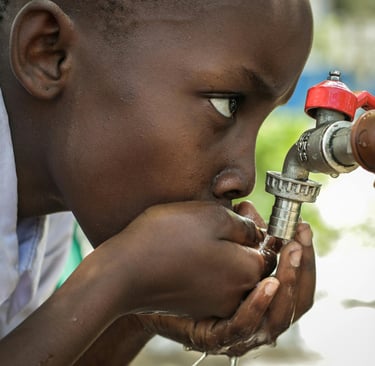
In our modern societies, water fulfills several essential functions. First, it is vital for human consumption; data shows that one billion people worldwide lack access to safe drinking water, which represents a major public health challenge. Water scarcity can lead to waterborne diseases, particularly affecting vulnerable populations, such as children and the elderly.
Second, water is indispensable for agriculture, a sector that depends on irrigation to produce essential food. Statistics reveal that approximately 70% of available freshwater is used for agriculture. Without effective water management, agricultural yields could decline, jeopardizing global food security.
Furthermore, water plays a key role in social and economic development. Communities with adequate access to water tend to be more prosperous and resilient. Improving access to clean water not only promotes health but also supports education, as children spend less time searching for water and can focus on their studies.
In short, water is a vital resource that affects all aspects of human life and ecosystems. The challenge of ensuring equitable access to clean water requires both global and local action to raise living standards and preserve this precious resource for future generations.
Current Water Challenges
Water management presents numerous challenges worldwide that must be addressed to ensure a sustainable supply of this vital resource. One of the most pressing issues is water scarcity. A growing number of countries are facing water stress, exacerbated by rapid urbanization and population growth. This phenomenon leads to competition for access to sufficient water resources, which can result in internal tensions and conflicts between nations.
Furthermore, water pollution represents another major obstacle. Industrialization, intensive agriculture, and a lack of wastewater treatment infrastructure contribute to the degradation of water quality. Contaminants, such as chemicals and plastic waste, affect not only human health but also aquatic ecosystems. Consequently, access to renewable drinking water is becoming increasingly compromised.
In addition, climate change is impacting water regimes, leading to extreme weather events. Droughts, floods, and fluctuating river levels disrupt water management systems. These factors exacerbate the challenges faced by many countries, particularly those heavily reliant on agriculture and water resources for their economies.
Finally, inequalities in access to water between countries amplify social and political tensions. In many regions, unequal access to water resources can worsen poverty and hinder development. However, international cooperation is crucial for addressing these complex issues, as water is a shared resource essential to life.
Solutions for a Sustainable Future
In today's world, where water has become a precious resource, it is essential to explore innovative and sustainable solutions to address the challenges of water management. Among the most promising solutions are water purification technologies, which make drinking water accessible even in areas most affected by scarcity. For example, advanced filtration systems and UV purification equipment are increasingly used to treat contaminated water.
Another crucial aspect is rainwater harvesting and reuse. This involves installing rainwater harvesting systems that capture rainwater for non-potable uses such as irrigation and toilet flushing. This method not only helps reduce dependence on potable water but also helps mitigate flood risks.
Desalination is also a viable solution, especially for coastal countries, which can transform seawater into fresh water. These facilities, while energy-intensive, are becoming increasingly efficient thanks to recent technological innovations. Integrated water management policies, meanwhile, aim to optimize water resource use through holistic and collaborative approaches among the various stakeholders.
Furthermore, education and awareness-raising about water conservation play a fundamental role in implementing these solutions. By educating citizens about the importance of water and good consumption practices, we can strengthen collective commitment to sustainability. Through these initiatives, we can hope to build a future where water, as an essential resource, is managed responsibly and equitably.
Conclusion: Collective Commitment to the Water Issue
The issue of water has become a crucial challenge of the 21st century, affecting many aspects of daily life and environmental sustainability. Faced with this water crisis, collective commitment is imperative. Governments have a fundamental role to play, not only in developing effective policies and investing in water infrastructure, but also in collaborating with international organizations. Efforts must converge on initiatives such as the Sustainable Development Goals (SDGs), which aim to ensure access to safe drinking water for all by 2030.
Businesses, for their part, have a responsibility to adopt sustainable practices in their water management. This includes optimizing water use in production and reducing pollution of water sources. Many companies are beginning to understand that their long-term success is directly linked to the sustainability of water resources, and they are starting to develop innovations that protect this vital resource.
For citizens, their commitment is just as essential. Everyone can contribute to water conservation through simple everyday actions, such as reducing water waste, raising awareness about the importance of this resource, and participating in local initiatives. By joining forces between governments, businesses, and citizens, significant change can be achieved.
In conclusion, addressing water scarcity requires collective action. The solution lies in a shared vision where every stakeholder, from government to citizens, acts responsibly and sustainably. Only such cooperation will ensure that water remains an accessible resource for future generations, while simultaneously tackling current environmental and social challenges.

Do you have a project, a question, or a need for a study?
Contact us and let's discuss the most suitable solution for your situation.
© 2025. All rights reserved.
Reliable water, every day.
CONTACT :
Email : contact@bluwtec.com
WhatsApp : +33 766 993 520
Mail : BluWtec - WIP :
10 rue du Président Wilson
92300 Levallois-Perret
France